Case study · Verukal Camp
Verukal Camp: making climate learning tangible
A two-day climate education camp built around the idea that climate learning should connect scientific concepts with the places students live and the choices communities make.
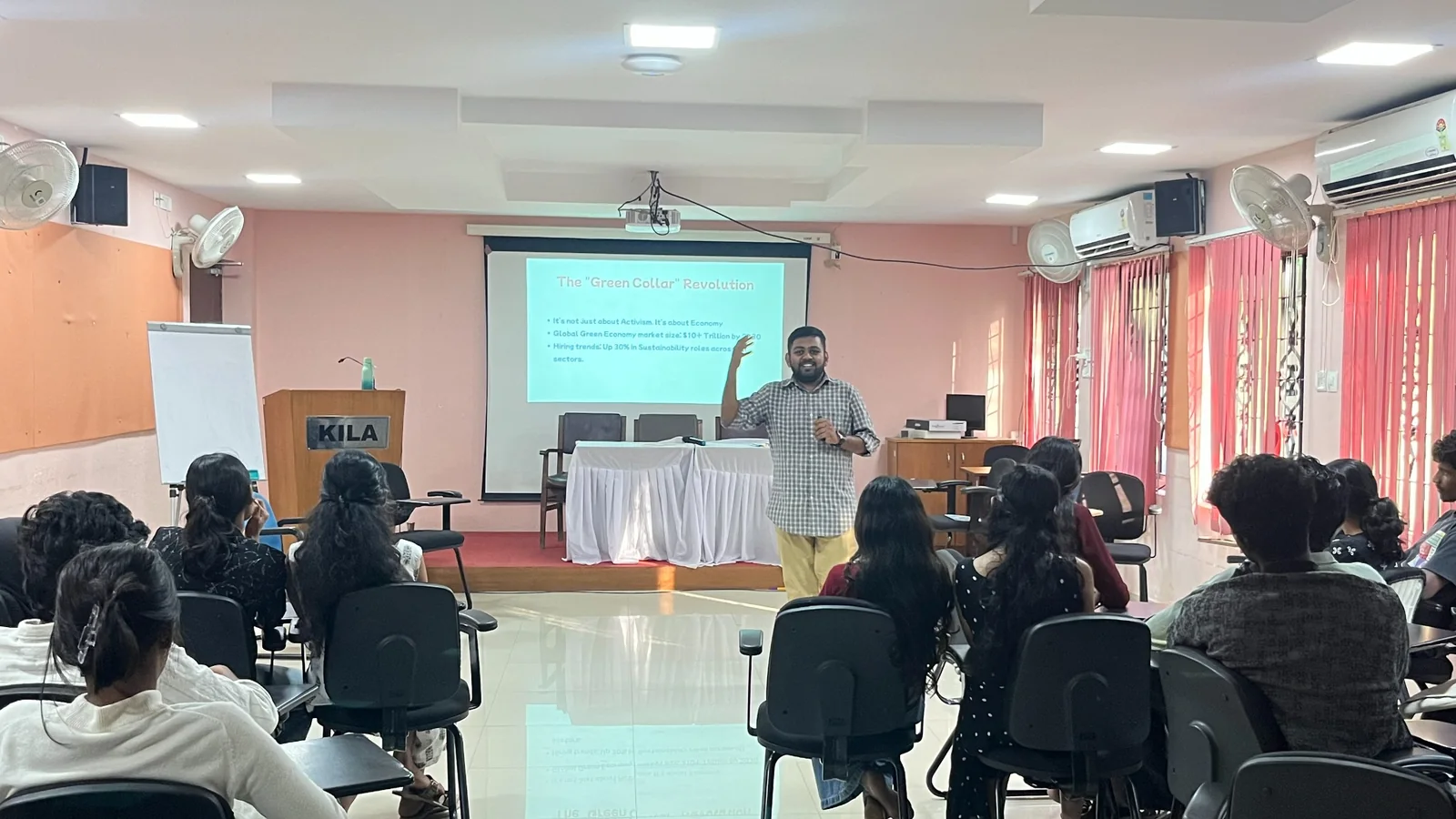
- Format: Two-day camp
- Learning themes: Climate and weather, greenhouse effect, ocean acidification, and waste management
- Setting: School-based climate education in Kerala
The idea
Climate education can become abstract when it stays at the level of definitions and distant global impacts. The programme was designed to bring key concepts into a learning environment where students could explore how climate and environmental issues relate to everyday life.
What the programme covered
The wider school programme introduced students to climate and weather, the greenhouse effect, ocean acidification, and waste management. Verukal Camp created a dedicated two-day space for climate learning and facilitated activities.
My contribution
My role was connected to programme coordination and supporting the delivery of climate education with the wider team. The work involved connecting learning themes, facilitators, and the school setting. This page deliberately focuses on the programme structure rather than attributing every activity or outcome to one person.
What I take from the experience
A camp is not an outcome by itself. The more useful question is what students can explain, question, or do differently after the experience—and how learning can continue after the event. That means planning for reflection, follow-up activities, and opportunities for students to connect concepts to their own surroundings.
To make this case study more complete, the next version should include the confirmed participant count for the camp itself, selected activity photographs with permission, feedback or learning evidence, and follow-up actions after the event.
Note: This case study is a concise first account. It does not claim measured learning gains or long-term impact where evidence has not yet been documented.